Program
Featuring
Other information
The event is about 100 minutes long.
About the event
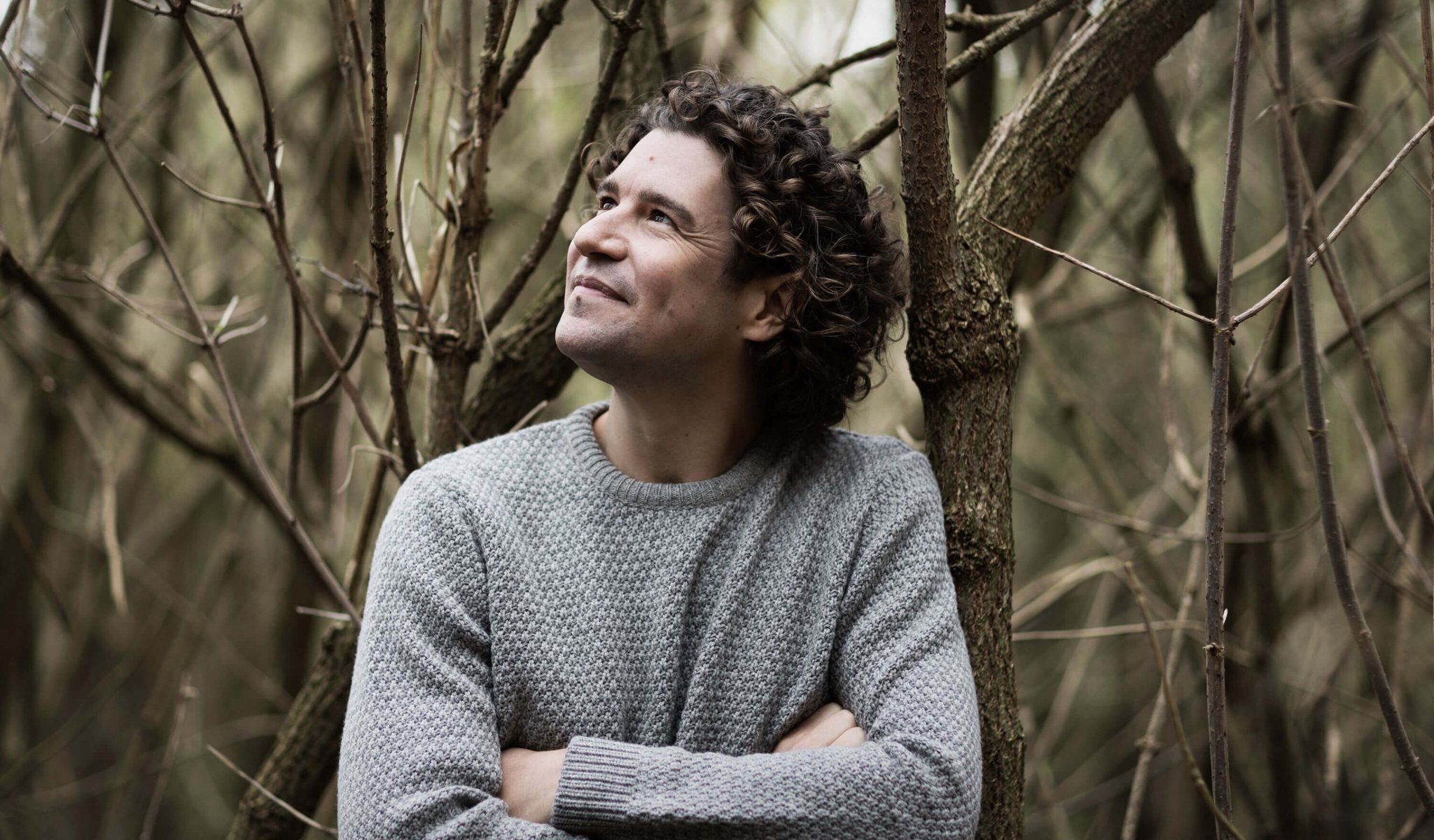
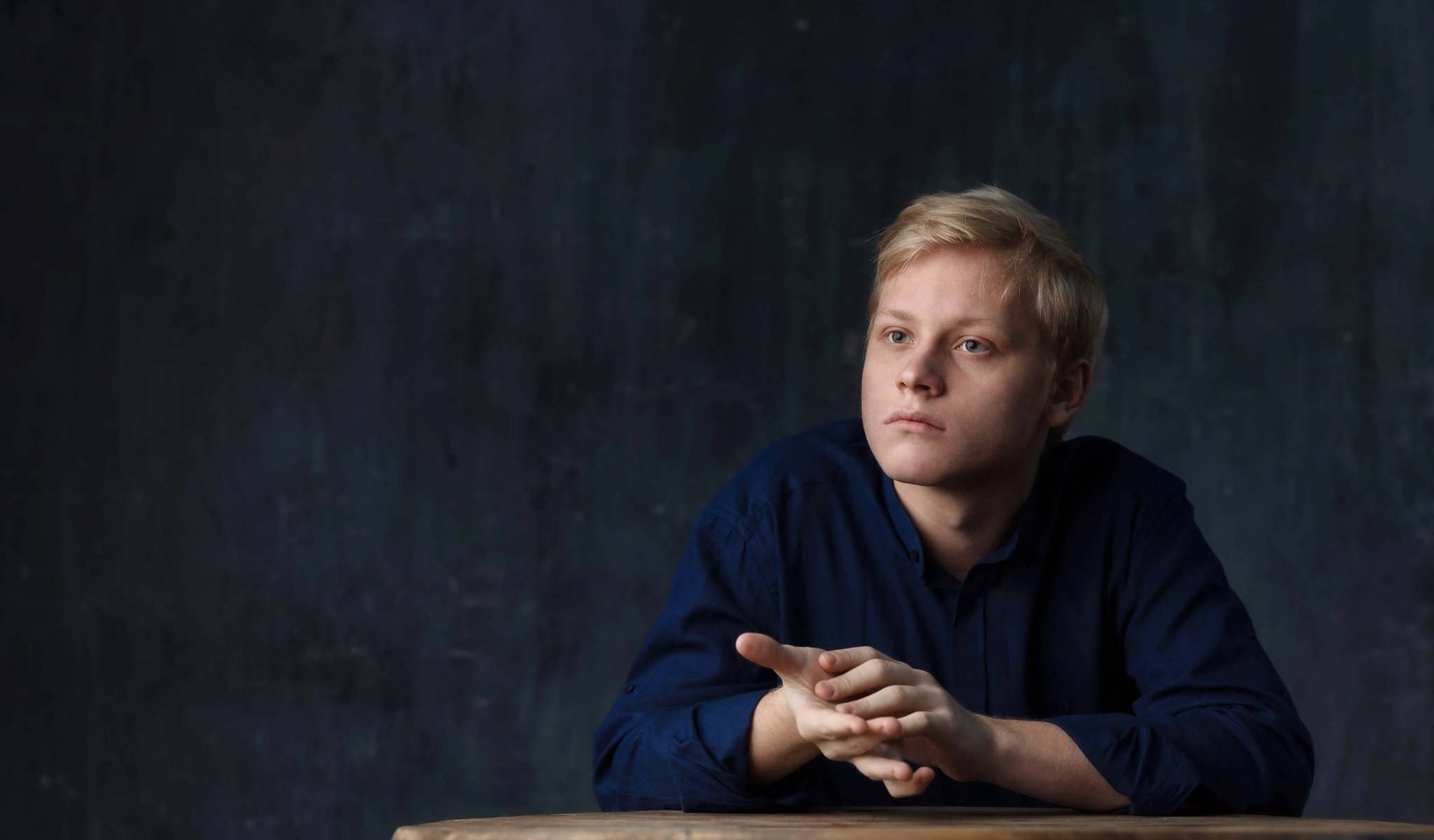
Two geniuses of orchestration, two masterpieces of intimate tone, and two world-renowned musicians – all in one concert. Robin Ticciati, British music director of the Glyndebourne Festival Opera, returns to the BFO to conduct two grand pieces from the turn of the century. The concert begins with Rachmaninoff’s first piano concerto, which blends the composer’s youthful passion and the older maestro’s experience. One could say the same of the soloist, who, according to Riccardo Chailly, possesses extraordinary musical depth and technical abilities, despite his youth. Born in 2001, Malofeev “manifests the piano mastery of the new millennium in itself” (Il Giornale). The second half of the concert offers a portrait of Strauss himself, as his tone poem A Hero’s Life is a kind of ironic musical mirror, reflecting the composer and, even more so, the world around him.
Rachmaninoff was not yet 18 years old when, as a student at the Moscow Conservatory, he started writing his first opus. With its passion and technical boldness, this debut work foreshadowed many of his later ambitions. Nearly 26 years and two piano concertos later, he thoroughly rewrote the piece, rendering it more concise, personal, and serious while preserving its youthful dynamism and ardor. He premiered the concerto only after emigrating to New York. As he never embraced contemporary musical trends and remained a Romantic composer throughout his life, his early first piano concerto maintains a unified, harmonious character, even from this perspective. The ominous horn call with which the composition opens and the bell-like sound of the piano when it enters belong to the original version, while the almost melancholy main theme and the monumental cadence are hallmarks of the revised version. With its piano part, which resembles improvisation, the middle movement provides a calm, lyrical counterpoint before the wild and virtuosic finale unleashes the blazing energies that lead to a dramatic and elemental conclusion.
“I do not see why I should not compose a symphony about myself; I find myself quite as interesting as Napoleon or Alexander,” wrote Richard Strauss. Even before composing A Hero’s Life in 1898, Strauss had woven himself into his 1895 orchestral work Till Eulenspiegel’s Merry Pranks, and later too he kept this penchant for featuring himself in his own compositions. “While it has no funeral march, it does have lots of horns, horns being quite the thing to express heroism.” This jibe is a reference to Beethoven’s Eroica. All this implies that the six-part composition A Hero’s Life is full of innuendo, humor, and sarcasm, which, of course, not everyone liked. Critics, for example, took great offense at the fact that, after Strauss introduces “The Hero,” i.e., himself, he immediately caricatures “The Hero’s Adversaries” with whimpering, whining woodwinds passages (and then he summarily defeats these adversaries). In “The Hero’s Companion,” in contrast, he paints a musical portrait of his wife with a solo violin. This section is followed by “The Hero’s Deeds of War,” with the aforementioned brass instruments, which concludes with a triumph. “The Hero’s Works of Peace” is full of self-quotation, while “The Hero’s Retreat from the World and Fulfillment” provides a conclusion with a sparkling celebration.
Did you know? Rachmaninoff composed the first version of the piano concerto in 1891, however, he only performed the entire, thoroughly revised piece in New York on January 29, 1919, Strauss’s A Hero’s Life premiered in Frankfurt on March 3, 1899, conducted by the composer; this will be the Budapest Festival Orchestra’s first performance of Piano Concerto No. 1, the orchestra played A Hero’s Life most recently on May 29, 2011 (conductor: Mark Elder).
Contemporary events: On May 15, 1891, Pope Leo XIII issued his encyclical (“Rerum novarum”), which was the first papal encyclical on social issues with workers as its main theme / On January 31, 1891, Norwegian playwright Henrik Ibsen’s Hedda Gabler premiered in Munich / the opera The Woman without a Shadow, by German composer Richard Strauss, premiered in Vienna on October 10, 1919 / Vice Admiral Miklós Horthy rode into Budapest on November 16, 1919 at the head of the National Army / Resurrection, the novel by Russian writer Leo Tolstoy, was published in 1899 / French painter Paul Gauguin painted Two Tahitian Women in 1899 / Symphony No. 1 of Finnish composer Jean Sibelius premiered in Helsinki on April 26, 1899
