
Program
Johann Friedrich Fasch (→ bio)
Orchestral Suite in G minor, FWV K:g2
Antonio Vivaldi (→ bio)
Gelido in ogni vena (Frosty in every vein) – aria from the opera Farnace, RV 711
Johann Adolph Hasse
Parto coll’alma in pena (I am leaving with an aching heart) – aria from the opera Siroes, King of Persia
Interval
Christoph Graupner
Orchestral Suite in G major, GWV 466
Johann Adolph Hasse
Piange quel fonte (That spring weeps) – aria from the opera Numa Pompilio
Padre ingiusto (Unjust father) – aria from the opera Cajo Fabricio
Featuring
Other information
The event is about 1.5 hours long.
About the event
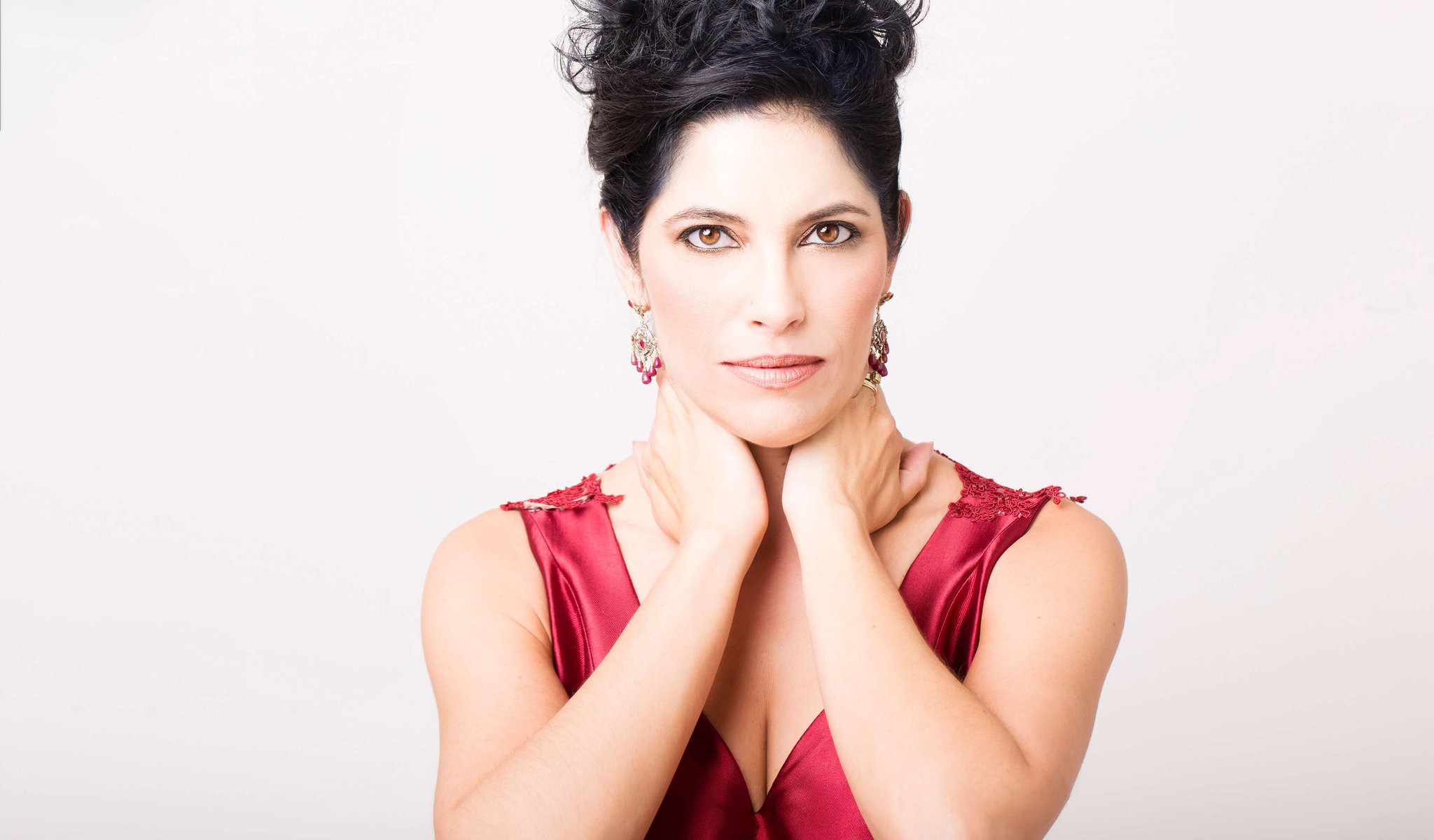
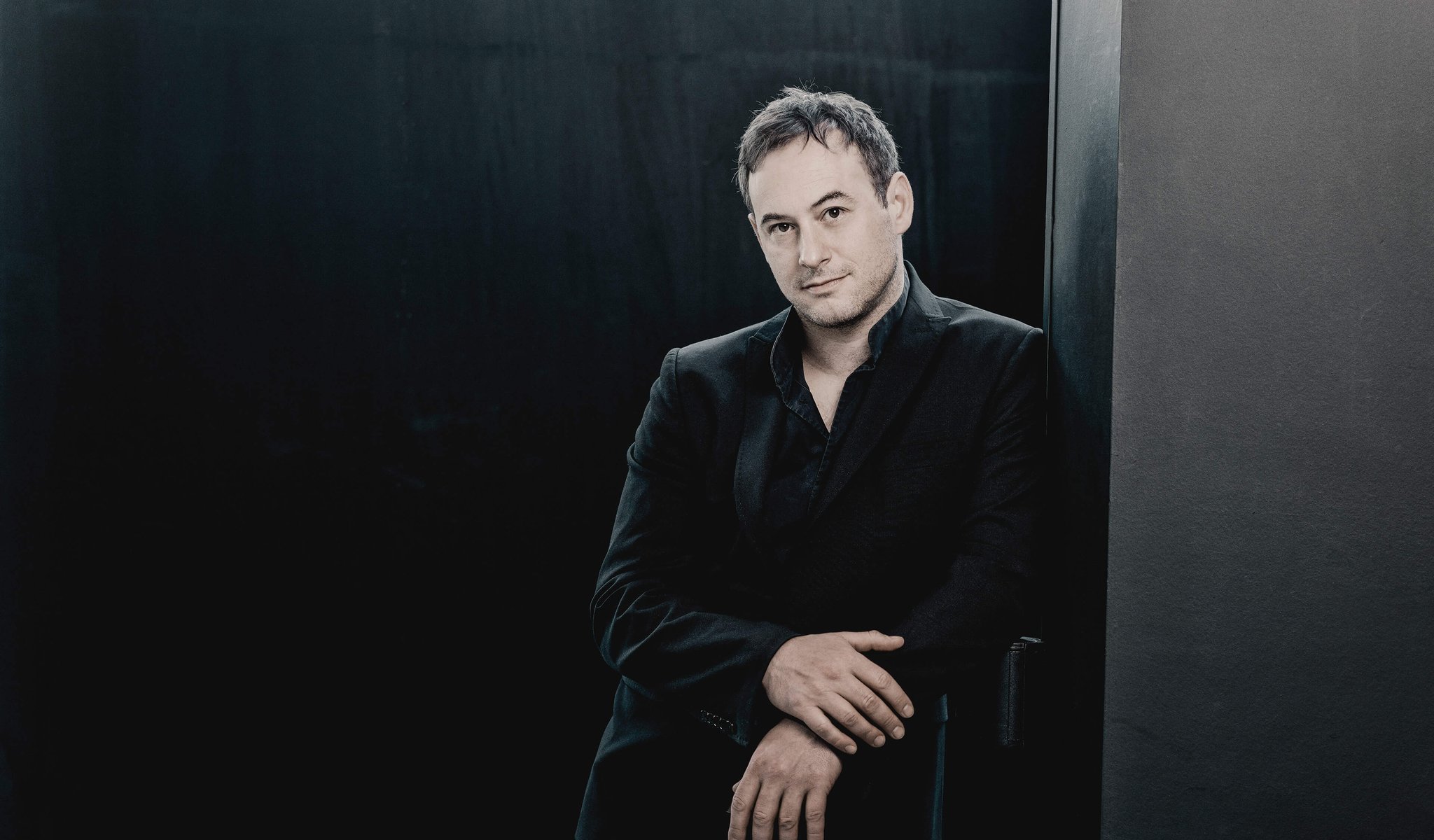
In the BFO’s early music concert, ethereal dance movements alternate with arias about burning passion. Jonathan Cohen, the orchestra’s returning guest conductor and a British expert on Baroque music, will ensure historically faithful interpretations, while Sigrid T’Hooft, an indispensable contributor to the series, will be responsible for historical gestures. The star of the night will be Vivica Genaux; the Alaska-born mezzo-soprano captured public attention with her CD featuring baroque arias associated with the repertoire of the famous castrato Farinelli. Her recordings are regarded as gems of historic performance. Genaux, a specialist in the Baroque and bel canto repertoires, captivates listeners instantly even when singing arias taken out of their original context. Following the orchestral suites with which the program opens, audiences can enjoy her beautiful voice and extraordinary technical prowess in arias by Vivaldi and Hasse, which alternate between sorrowful and fiery, lyrical and unstoppably virtuosic.
Both halves of the concert begin with an orchestral suite by a German Baroque master. In eighteenth-century Germany, composers relied heavily on the French traditions in the genre. They followed a typical format consisting of a French overture and dance movements, but they shaped the musical style and the structure to their own tastes, even adding some Italian zest. Johann Friedrich Fasch, who is often considered the predecessor of the gallant style, created a unique balance of sounds in his seven-movement composition in G minor by including three oboes and a bassoon. In contrast, the piece by Christoph Graupner uses horns and timpani. Its eight movements include a minuet, a polonaise, and music entitled “A caged bird.”
The two arias of the first half of the program offer revealing examples of the nature of the relationship between composers and librettists in the 1700s. Whenever they came across a trendy libretto, composers would hastily snap it up. Almost forty operas were written for Pietro Metastasio’s 1726 libretto Siroes, including operas by Handel, Vivaldi, and Hasse. For an aria in his favorite opera, Farnace, Vivaldi also borrowed the lyrics from this libretto, which vividly express the icy terror running through the title character’s veins. The accompanying dissonant harmonies were later reused by Vivaldi in the first movement of Winter. Written in the gallant style, Hasse’s opera lends an entirely different atmosphere to the love story of Siroes, King of Persia. Its music is virtuosic, yet it remains elegant throughout.
The concert concludes with two more Hasse arias, this time sung by strong female characters. First, we get a glimpse of the story of the second king of Rome, Numa Pompilius. The emotional struggle of Egeria, a nymph and counselor to the king, is reinforced by what is perhaps the most beautiful oboe solo in all Baroque opera. Learning of Numa’s love too late, Egeria sings of the bittersweetness of the realization and of the tears and pain that seep into even the purest of emotions, all the while pleading with reason and virtue. The heart-wrenching lament is followed by a furious musical firework from the opera recounting the story of Gaius Fabricius Luscinus, the incorruptible Roman general. The aria sung by Sestia as she prepares to abandon both her father and her husband brings the program to a close with sweeping momentum and unbridled coloratura.
