Program
Featuring
Other information
The event is about 1.9 hours long.
About the event
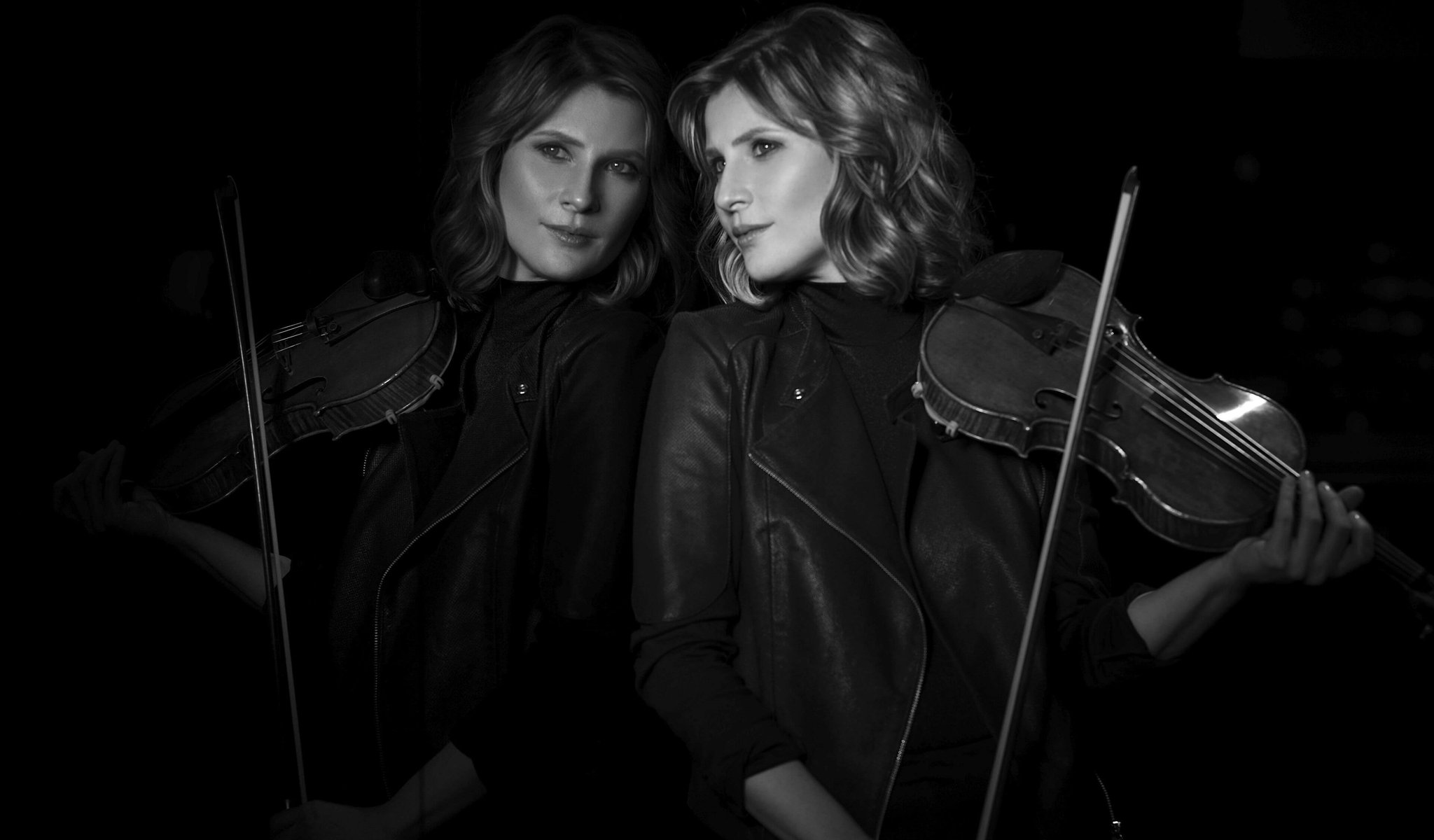
In November, the concert hall of Müpa Budapest will be filled with spring birdsong. The program, which will remind us of the importance of preserving our planet, will open with the music of Einojuhani Rautavaara, the greatest Finnish composer of the second half of the twentieth century, who pays tribute to the breathtaking Finnish landscape and wildlife with a concerto composed for birds and orchestra. The closing piece will be a symphony by Beethoven, himself also a passionate nature lover. The symphony evokes memories of rural life, including a bit of woodwind ornithology. Between the two, Mozart’s final violin concerto—a fresh and colorful composition—will be performed, featuring Georgian Lisa Batiashvili as the “fearless, tonally rich and technically immaculate” (The Guardian) soloist. The orchestra will be seated under an enormous tree symbolizing the love of nature and our sense of responsibility for the natural world.
A lover of the Finnish landscape, Rautavaara composed his unique piece, “Arctic song,” in 1972. He compiled and incorporated into his concerto birdsongs recorded in the vicinity of the city of Oulu, the regions of the Arctic Circle, and the marshlands of Liminka. The people at the University of Oulu who commissioned the piece must have been quite astonished when this festive cantata, which is far from traditional, was performed at the doctoral ceremony. In the movement entitled “The Bog,” singing marsh birds respond to the melodies of the flutes over the rich sounds of the strings. In “Melancholy,” the slow song of larks, transposed two octaves lower into a “ghost bird” call, creates a mournful atmosphere. Finally, in “Swans Migrating,” which conjures the national bird of Finland, we hear a chaotic flock of birds approaching and then departing.
As a concertmaster in Salzburg, Mozart often performed on the violin before turning his focus entirely to the piano. His Violin Concerto in A minor, composed in 1775, is a summary of what he had learned about the genre as a performer and composer. Arguably, it gradually explores and pushes the limits of the violin concerto. The solo instrument behaves a bit like a diva. After the orchestral overture of the first movement, the violin soloist reluctantly starts the main theme, but only after a lyrical aria. The melody, made up of triads, emerges in all three movements. The exceptionally accomplished, luscious second movement is followed by a rondo with Turkish-sounding phrases (though some people say they are Hungarian-sounding).
Beethoven said that his Pastoral Symphony is “more an expression of feeling about the land than it is a painting.” Each of the five movements of the piece, which was composed in 1808, was given a programmatic title. In the first movement, titled “Awakening of cheerful feelings on arrival in the countryside,” the repetitions of very short motifs reflect the infinite repetition of patterns in nature. The slow second movement, “Scene by the brook,” begins with the strings playing a motif that clearly imitates flowing water. The woodwind instruments imitate the calls of the nightingale (flute), the quail (oboe), and the cuckoo (two clarinets). The scherzo, titled “Merry gathering of country folk,” brings the bumbling of country folk to life. It is followed by “Thunder, Storm,” which builds from just a few drops of rain to a great climax with thunder. After the thunder dies away and the sun comes out, the piece concludes with the hymn-like “Shepherd’s song.”
