Young Violinists with Gábor Takács-Nagy – 2
Dettlaff, Takács-Nagy
Program
Featuring
Other information
The event is about 1.5 hours long.
About the event
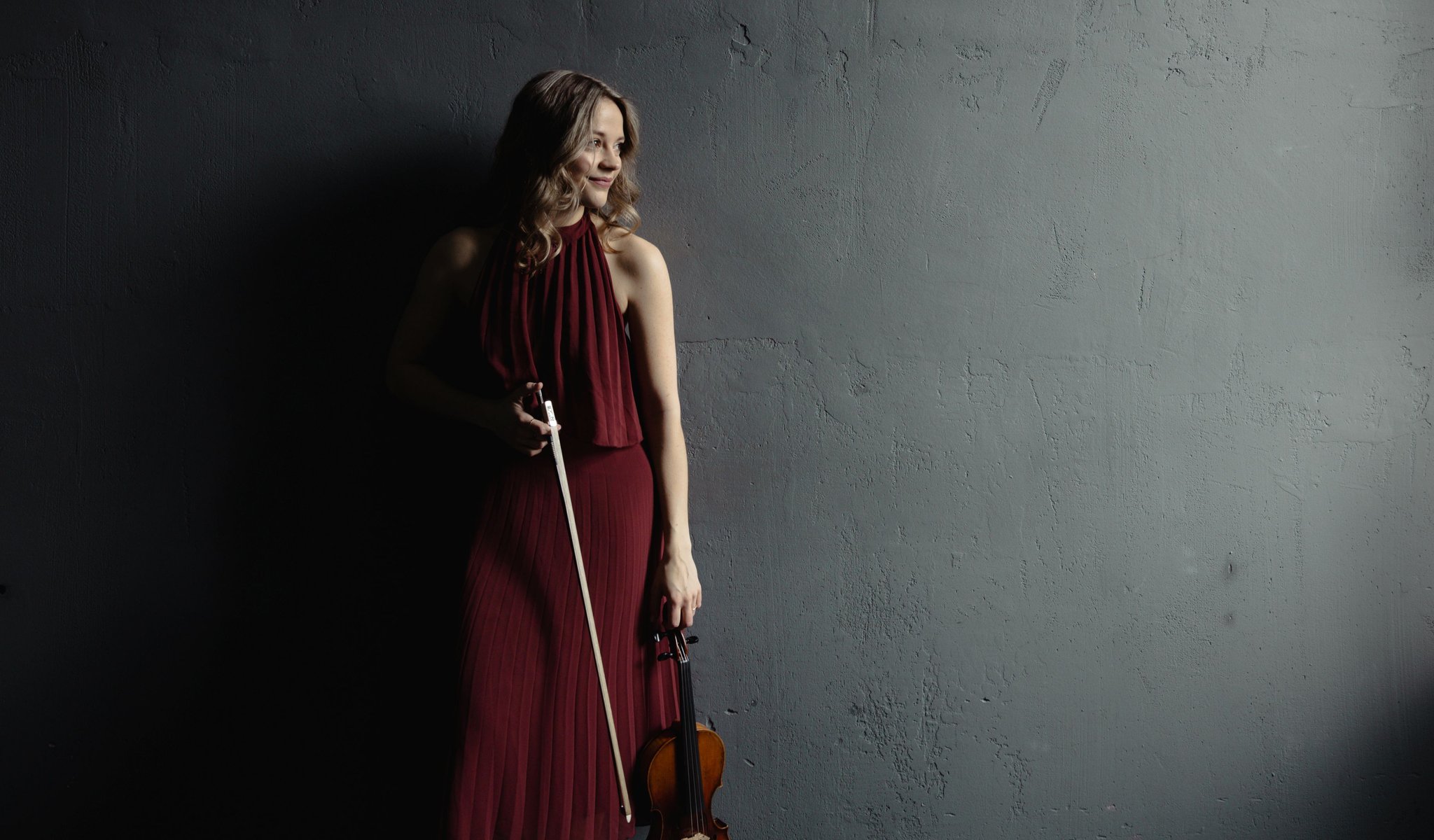
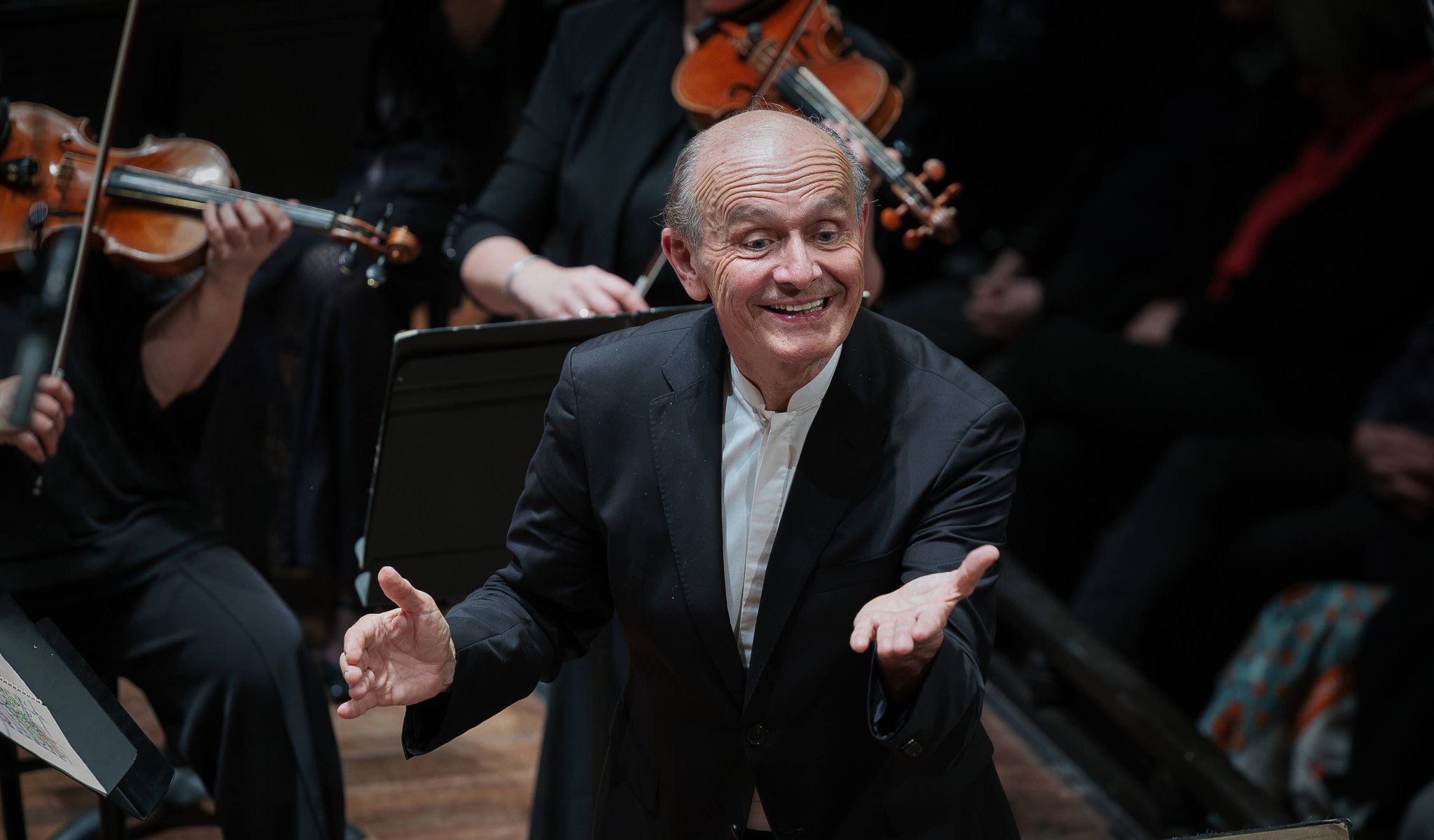
The BFO’s spring concert kicks off with works by Polish and Hungarian composers performed by Polish and Hungarian musicians. Composers Béla Bartók and Karol Szymanowski and musicians Gábor Takács-Nagy and Marta Dettlaff complement one another in friendly harmony. At the second concert of the BFO’s series introducing young violinists, conductor Takács-Nagy, who also enjoys international renown as a violinist, will put the spotlight on Dettlaff, the orchestra’s Polish academist and one of the winners of the 2026 Sándor Végh Competition. Dettlaff, who was born in 2001, will perform Szymanowski’s violin concerto, an example of “sophisticated primitivism” and a unique blend of raw folk energy and impressionistic tones. But first, the orchestra will play five folksong-like pieces by Bartók, who also returned to his roots for inspiration. The concert concludes with Schumann’s deeply moving symphony, a work which developed over the course of roughly a decade.
Evening in Transylvania, Bear Dance, Melody, A Bit Drunk, Swineherd’s Dance from Ürög. These works are compositions for the piano of which Bartók made orchestral arrangements in 1931, collecting them all in one opus. The resulting Hungarian Sketches is thus arguably the elevation of the didactic melodies of For Children and Ten Easy Piano Pieces into concert music. In the opening movement, for instance, the woodwinds transform a melody that is already Székely in character into music reminiscent of a recorder or a tilinkó (a shepherd’s pipe). After the occasionally meditative song, the wild, scherzo-like Bear Dance bursts in with great effect, providing a stark contrast to the slow movement in the series, the somber and emotionally deeper Melody. Relief comes with the grotesque portrait of a slightly drunk, staggering, and hiccupping figure before the set comes to a close with an arrangement of original folk music.
“To the memory of the great musician, my dear and unforgettable friend, Paweł Kochański.” So reads the inscription on the title page of Szymanowski’s Violin Concerto No. 2. Although the composer’s violinist friend helped Szymanowski finetune the details of the work, the 1933 premiere was his last public performance. Kochański also composed the dreamlike but at the same time ecstatic cadenza of the grandiose violin concerto, which has one movement but can be divided into two major sections. The cadenza is not the only ambivalent part of the piece. Szymanowski keeps moving along the boundary between Western music culture and ancient, simple motifs, and in addition to (or almost instead of) virtuosity, hails colors. His music unfolds from a lullaby-like, almost hypnotic opening into more lively dance melodies, culminating in a wild, rustic celebration.
In 1841, following the enthusiastic reception of his first symphony, Schumann immediately began composing another piece for orchestra. The work was completed for his wife Clara’s birthday, but even this gesture did not bring him good luck. When it premiered in December in Leipzig, the symphony was a flop. Schumann withdrew the work due to the reviews and returned to it only ten years later, revising it as his Symphony No. 4. The six-note motto-like main motif accompanies the piece throughout the four attacca movements. The first dramatic and later more spirited opening is followed by a Romanze, where the solo violin takes on a lyrical role alongside the oboe and cello. The fast Scherzo, with its unusual structure, leads to a finale imbued with Beethovenian colors.
