Program
Featuring
Other information
The event is about 120 minutes long.
About the event
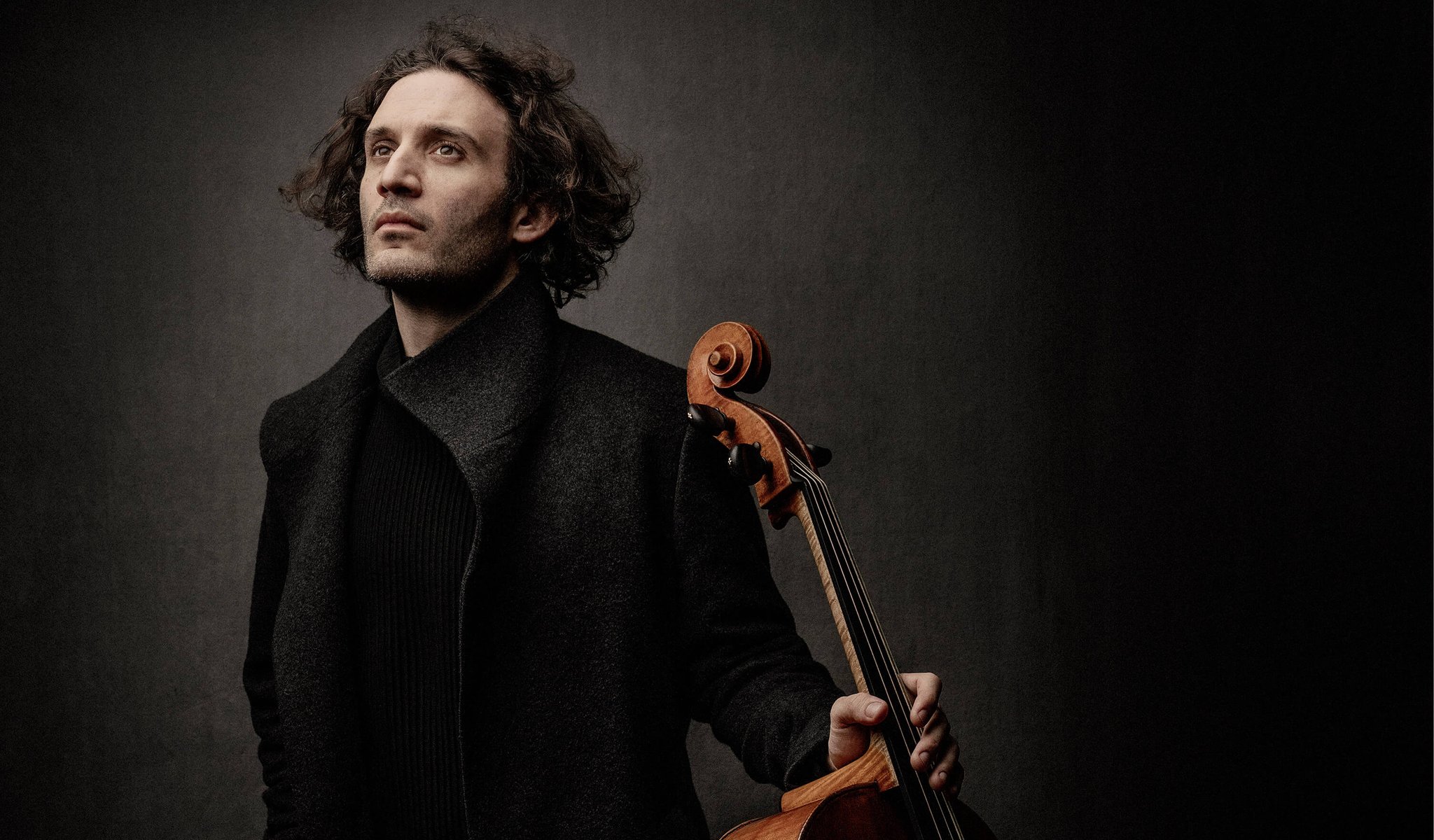
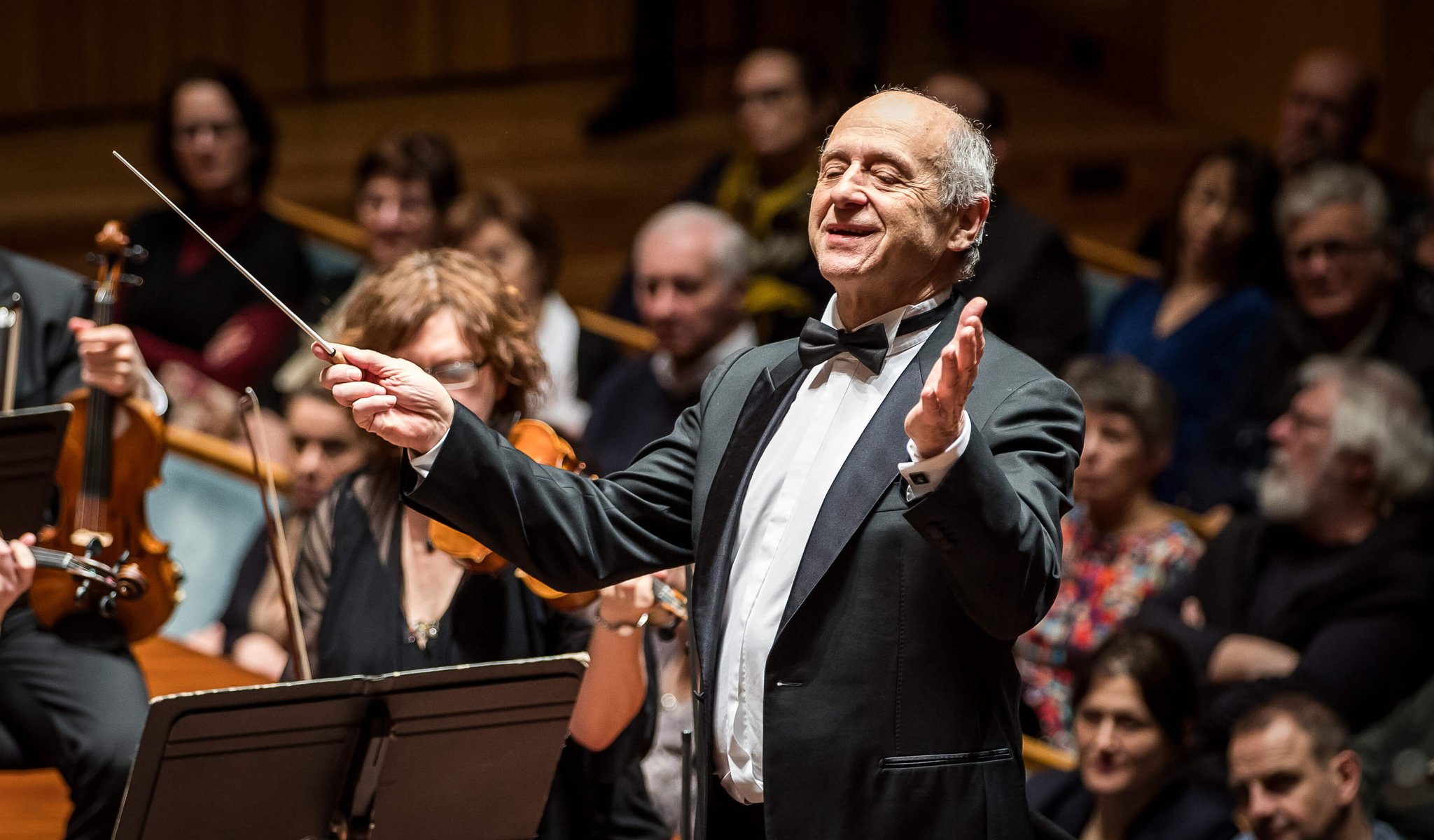
Romance, with a capital R, the way a French and an Austrian composer understand it. The first half of the concert features Saint-Saëns’s often fiery concerto, a work that ranges across extreme emotional states. Rachmaninoff and Shostakovich called it the greatest concerto of all time. The soloist will be Nicolas Altstaedt, whom international critics have described as being in a class of his own, a great storyteller who captivates audiences with each note. After the intermission, Iván Fischer will lead the orchestra for Bruckner’s monumental Symphony No. 7. Over an hour long, the piece was Bruckner’s most acclaimed work. And as surprising as it may seem, Wagner provides the link between the two pieces. The conservatives described Saint-Saëns as too modern, calling him a forerunner of Wagner, while Bruckner was a devotee of his German comtemporary's music and paid homage to Wagner in several ways through his own music.
Saint-Saëns conducted several of Liszt’s pieces in the 1870s. It is thus hardly a surprise that these compositions left their mark on him. The Cello Concerto in A minor, according to some, should be seen as a single movement in a sonata format, while others believe it consists rather of three distinct movements performed without breaks. What is certain, however, is that segments of the piece are connected by a series of motifs repeating in different forms, similarly to Liszt’s transformation of themes. In the opening movement, the cello launches into its forceful theme following a single orchestral chord. The triola-like rhythm of the cello’s theme then moves from instrument to instrument in a more lyrical manner. The bustle of the music slows down unexpectedly before coming to a break and giving way to the light minuet, which brings us, after the sounds of the orchestra, to a longer section featuring the cello as a solo instrument. Finally, the two halves unite their power. As we approach the end of the piece, the soloist builds the cadenza out of the bits and pieces of the theme of the minuet. The finale opens with the main theme of the piece, introducing several new melodies alongside the already familiar motif. The piece premiered in 1873 at the Paris Conservatory. Rarely has a composer only thirty-eight years of age premiered a composition in such a distinguished shrine to the arts.
A miracle piece. So spoke Hermann Levi, conductor of the premiere of Parsifal, of Bruckner’s Symphony No. 7. In the two years he spent composing the work, Bruckner visited Bayreuth. There, he not only saw Parsifal, he also had his last encounter with Wagner. When Wager died in 1883, Bruckner’s symphony took a new turn. The stormy scherzo, following in the tradition of Beethoven, was already complete, and Bruckner had already incorporated some passages from Wagner into the opening movement, which he nonetheless had left incomplete. Perhaps the most moving gesture, however, was the slow movement Bruckner composed upon hearing of Wagner’s death. Sweepingly elegant, the music expresses deep mourning. It is both ominous and beautiful. Exuding Wagner’s musical landscape, the movement concludes with a funeral song played by the so-called Wagner tubas, composed using the main theme. It is from this mood that the aforementioned scherzo breaks free, to be followed by the finale. There, not only does Bruckner bring musical characters at odds with one another into harmony, but he also recalls the opening theme of the piece. Dedicated to Ludwig II of Bavaria, Wagner’s patron, the symphony premiered on December 30, 1884 in Leipzig, conducted by Artúr Nikisch.
Did you know? Saint-Saëns’s Cello Concerto No. 1 premiered in Paris on January 19, 1873 with Auguste Tolbecque playing the solo part, Bruckner’s Symphony No. 7 was first performed in Leipzig on December 30, 1884 with Arthur Nikisch conducting; the Budapest Festival Orchestra played the cello concerto most recently on February 27, 2021 (soloist: Miklós Perényi, conductor: Gergely Madaras), and the symphony on March 12, 2012 (conductor: Iván Fischer).
Contemporary events: In 1873, the League of the Three Emperors was established by the monarchs of the Russian Empire, the Austro-Hungarian Monarchy and the German Empire / A Season in Hell, a volume by French poet Arthur Rimbaud first appeared in 1873 / French painter Éduard Manet painted The Railway in 1873 / In 1884, the Opera House, designed by Miklós Ybl was opened in Budapest / Norwegian painter Edvard Munch painted Morning in 1884 / American writer Mark Twain’s novel, The Adventures of Huckleberry Finn was published in 1884 / German composer Richard Strauss’s Symphony No. 2. premiered in New York on December 13, 1884
